
You just submitted your B.Pharm final semester project, opened Naukri.com, and saw 47 QA/QC job postings for freshers in Ahmedabad alone. Half say "Quality Assurance," the other half say "Quality Control." Both require "knowledge of GMP." Both pay ₹3-4 lakh. So what is the actual difference, and which one should you apply to?
I spent three months as a confused fresher asking this exact question. Every senior I asked gave me a different answer. One said "QA is documentation, QC is testing." Another said "They're basically the same thing." A third told me "QC is for people who like labs, QA is for people who like Excel." None of this helped me decide.
The truth is simpler than anyone made it sound: QC checks if the batch is good. QA builds the system that makes every batch good. If you like running tests and working with instruments, you want QC. If you like investigating why things went wrong and fixing processes, you want QA. This guide will show you exactly what each role does, what you will earn, and how to pick the right path before you waste applications on the wrong one.
Understanding the Quality Function in Pharma Manufacturing
Before we split QA from QC, you need to understand why quality matters so obsessively in pharma. A defective laptop is annoying. A defective blood pressure tablet can kill someone. This is why the CDSCO in India, the FDA in the US, and the EMA in Europe created Good Manufacturing Practice (GMP) guidelines that dictate how every pharmaceutical company must operate.
GMP is not optional. Whether you are at Sun Pharma's Halol facility or a small API unit in Ankleshwar, you follow the same core principles harmonized by the ICH (International Council for Harmonisation). Every raw material tested. Every manufacturing step documented. Every deviation investigated. Every batch released only after QA approval.
The recent news about Indian pharma companies clearing international audits shows how seriously companies take quality now. Alembic, Lupin, and Indoco invested crores in upgrading their QA/QC departments to meet EU GMP certification requirements. That investment creates jobs. For you.
Within this quality framework, QC and QA have distinct roles. QC is the testing arm: you receive samples, run tests, and verify they meet specifications. QA is the systems arm: you design procedures, investigate failures, and ensure quality is built into every process, not just tested at the end. Both report to the Head of Quality, but your day-to-day work looks completely different.
Quality Control: The Testing and Analysis Path
Quality Control is where most freshers picture themselves because it looks like what you did in college practicals. You work in an analytical laboratory. You receive samples. You run tests. You generate data.
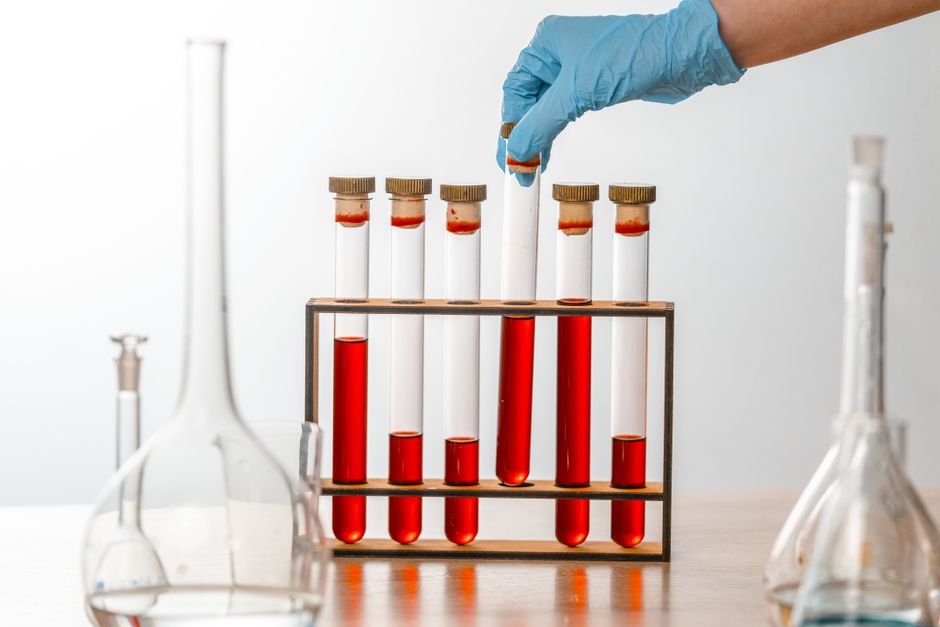 Photo by Ivan S on Pexels
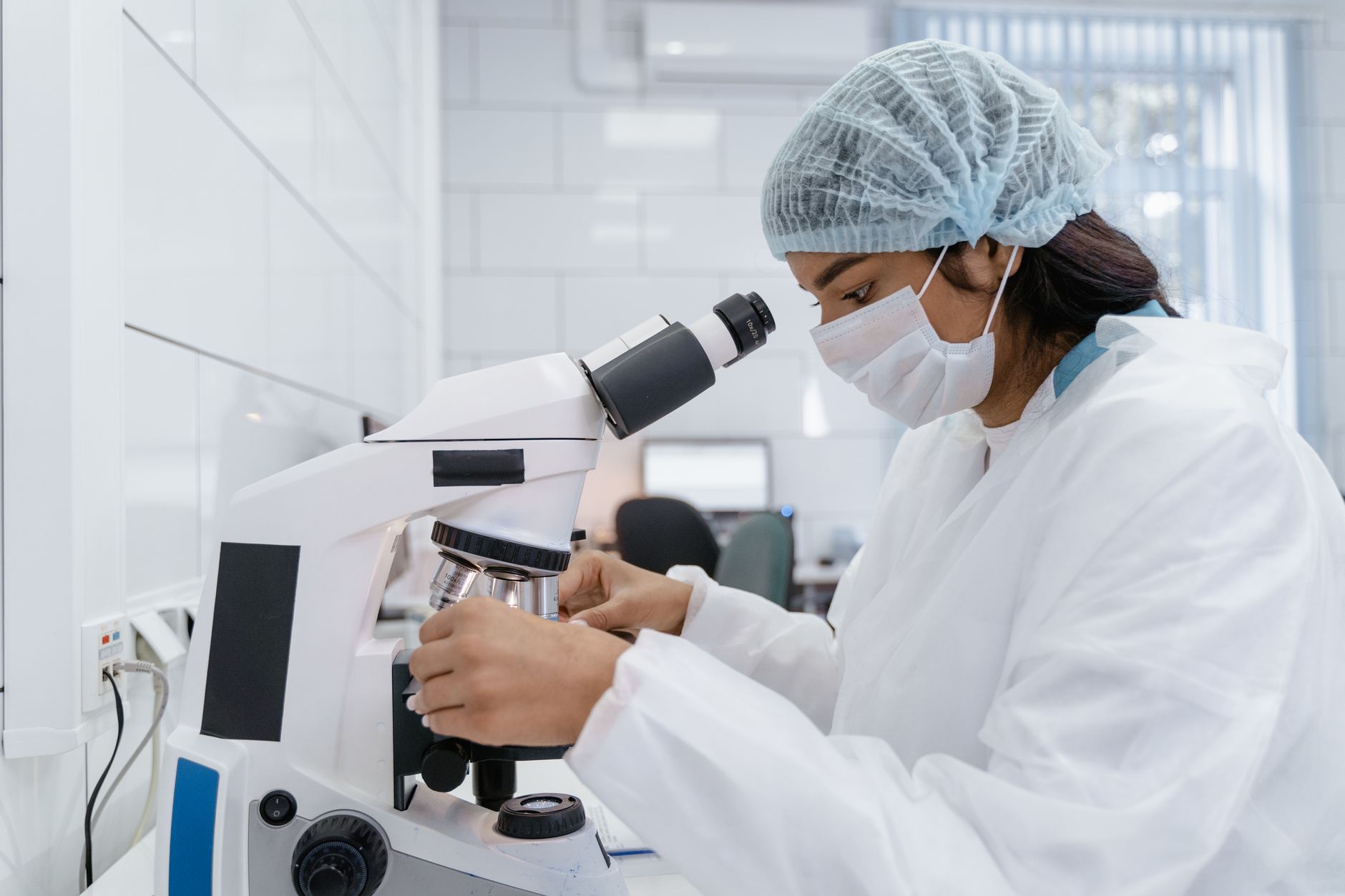
Here is what your actual day looks like as a QC fresher at a tablet manufacturing unit in Hyderabad:
Morning: Sample Receipt and Planning
You arrive at 9 AM. The sample coordinator hands you a list: three raw material samples (lactose, magnesium stearate, API), two in-process samples from granulation, and one finished product retention sample. Each has a unique sample number linked to its batch. You check the sample register, verify labels match the documentation, and plan your testing sequence based on instrument availability and test duration.
Mid-Morning: Instrument Setup and Calibration
You need the HPLC for API assay testing. Before you inject any sample, you run system suitability tests: inject the standard solution five times, check that peak area RSD is below 2%, verify retention time is stable, ensure theoretical plates meet the method requirement. This takes 45 minutes. If system suitability fails, you cannot proceed. You troubleshoot, maybe replace the column, maybe adjust mobile phase pH. Only when the system passes do you start sample analysis.
Afternoon: Sample Testing and Real-Time Documentation
You prepare sample solutions per the SOP. Weigh 100mg of API, dissolve in 100mL mobile phase, filter through 0.45µ PVDF filter, inject 20µL. You run samples in duplicate. While the HPLC runs, you perform simpler tests: loss on drying using the moisture analyzer, pH of the granulation blend, particle size distribution of the milled powder. Every observation goes into your laboratory notebook immediately, in ink, with date and signature. No pencil. No recording on loose paper to "transfer later."
Late Afternoon: Data Review and CoA Preparation
Your HPLC run finishes. You calculate assay results, check them against specifications (98.0-102.0%), and find 99.8%. Pass. You compile all test results into a Certificate of Analysis (CoA) draft. A senior QC analyst reviews your calculations, checks your raw data, verifies you followed the SOP correctly, and signs off. The CoA goes to QA for final batch release approval.
The Skills You Actually Build in QC:
Instrument proficiency is your primary asset. You will master HPLC, GC, UV-Vis spectrophotometry, dissolution apparatus, Karl Fischer titrators, and other analytical equipment. Companies value this because instruments are expensive and breaking them is costly. A QC analyst who can troubleshoot an HPLC pump failure or optimize a problematic chromatographic method is worth their salary.
Analytical thinking develops through method validation and troubleshooting. Why is your peak tailing? Is it column degradation, mobile phase pH, or sample preparation? You learn to systematically eliminate variables and identify root causes.
Data integrity becomes second nature. You will understand why you cannot backdate entries, why you must record deviations immediately, why you cannot discard "bad" data without investigation. Regulatory inspectors scrutinize QC data more than any other department because it is the final gate before product release.
Attention to detail is not optional. Mixing up sample labels, transposing digits in calculations, or forgetting to record a dilution factor can invalidate an entire batch. You will develop checklists, verification habits, and a healthy paranoia about mistakes.
Career Progression in QC:
Year 1-2: QC Analyst performing routine testing under supervision Year 3-4: Senior QC Analyst handling complex methods, training juniors Year 5-7: QC Executive/Officer managing a testing section (raw materials, in-process, or finished goods) Year 8+: QC Manager overseeing the entire analytical laboratory
Lateral moves from QC include method development, analytical R&D, stability studies, or moving into QA roles. Your analytical skills also transfer to CRO positions, regulatory affairs (reviewing analytical sections of dossiers), or even non-pharma industries like food, cosmetics, or petrochemicals.
Quality Assurance: The Systems and Compliance Path
Quality Assurance takes a 30,000-foot view. While QC asks "Does this batch pass?", QA asks "Why did three batches fail last month, and how do we prevent it from happening again?" If you are someone who gets frustrated when you see the same mistake repeated, when you notice process gaps, when you want to fix systems rather than just execute tasks, QA is your path.
Here is what your day looks like as a QA fresher at a formulation plant in Baddi:
Morning: Batch Record Review