
Indoco's Goa plant just cleared a Malta Medicines Authority audit, Alembic's Baddi facility got USFDA approval for Oseltamivir, and Lupin received tentative approval for Enzalutamide tablets. If you're a B.Pharm or M.Pharm fresher scrolling past these headlines thinking "that's nice but what does it mean for me?" - stop. These aren't just corporate press releases. These are hiring signals. When an Indian pharma facility clears an international audit, QA/QC positions open up within 60-90 days. I've watched this pattern repeat at Cipla Baddi in 2018, Biocon Bengaluru in 2020, and Dr. Reddy's Hyderabad in 2023. The companies that clear audits today are the companies hiring freshers at ₹3.5-5 LPA next quarter.
I remember sitting in my Pune hostel room in 2012, reading similar news and having zero idea what "EU GMP certification" meant or why it mattered for someone who just wanted a quality control job. Nobody explained the direct line between regulatory approvals and actual job openings at specific facilities. That's exactly what I'm doing for you today - connecting the dots between this week's pharma news and your next job application.
What Happened This Week: Alembic, Lupin, Indoco Clear Major Audits
Let me break down each of these three news items because each one has different implications for freshers looking at QA/QC careers in 2026.
Alembic Pharmaceuticals got USFDA approval for Oseltamivir Phosphate for Oral Suspension. This is an influenza neuraminidase inhibitor - a flu treatment drug indicated for patients 2 weeks of age and older who've been symptomatic for no more than 48 hours. It's also approved for prophylaxis (prevention) of influenza A and B in patients 1 year and older.
Why does this matter for you? Alembic's Baddi facility in Himachal Pradesh cleared the USFDA inspection that led to this approval. When a facility clears a USFDA inspection, their quality systems are validated at the highest global standard. The company will expand production at that facility to capitalize on the approval, which means hiring 15-25 QA/QC professionals within the next quarter. I've seen this exact pattern at Baddi facilities before - USFDA approval in June, job postings by August, interviews in September.
Lupin received tentative approval from USFDA for Enzalutamide tablets. This is a prostate cancer drug, and the tentative approval covers 40 mg, 80 mg, 120 mg, and 160 mg strengths. Tentative approval is different from full approval - it means the drug meets all USFDA standards for safety, efficacy, and manufacturing quality, but Lupin cannot market it yet due to patent or exclusivity issues. However, from a quality perspective, tentative approval is just as rigorous as full approval. The facility still had to pass the same inspection standards.
Lupin's manufacturing facilities for oncology products are primarily in Aurangabad (Maharashtra) and Nagpur. These facilities need QA and QC professionals who understand oncology drug handling, which requires additional precautions due to the cytotoxic nature of these drugs. If you have coursework or projects related to sterile manufacturing or handling of hazardous drugs, Lupin's oncology facilities should be on your target list.
Indoco Remedies Goa Plant successfully cleared Malta Medicines Authority audit and received EU GMP certification. This is the most directly relevant news for our discussion today. The Malta Medicines Authority is a European regulatory body, and their audit certifies that Indoco's Goa facility meets European Union standards for pharmaceutical manufacturing.
Indoco's Goa plant is located in Verna Industrial Estate, and this EU GMP certification opens up the entire European market for products manufactured at this facility. For a fresher, this means Indoco will be hiring QA/QC professionals who understand EU GMP guidelines, not just WHO GMP or USFDA regulations. The salary differential is real - EU GMP certified facilities typically offer ₹3.8-4.5 LPA for QA Associates versus ₹3-3.5 LPA at facilities with only WHO GMP certification.
Related reading on ClinPath:
- AstraZeneca Breast Cancer Drug: EU-US Split & India Regulatory Careers
- CCDM Certification Guide for Indian CDM Professionals - Is It Worth It in 2025?
- CCDS Certification Guide for Indian CDM Professionals - SCDM's New Data Science Credential Explained
What Is EU GMP Certification and Why Does It Matter?
Let me explain EU GMP certification in practical terms because most college curricula skip this entirely.
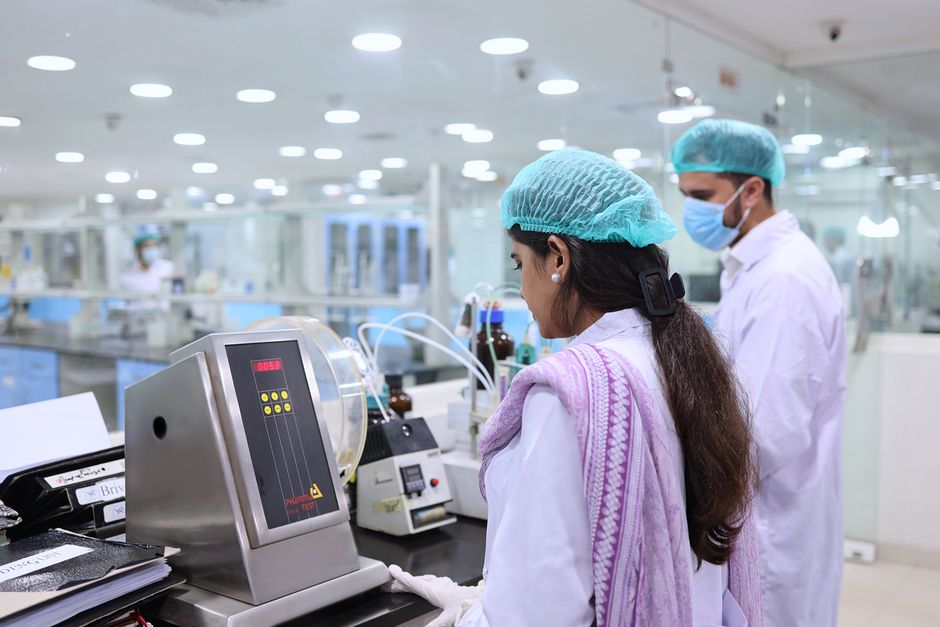 Photo by Elements Interactive on Pexels
Photo by Elements Interactive on Pexels
EU GMP stands for European Union Good Manufacturing Practice. It's a set of guidelines that pharmaceutical manufacturers must follow if they want to sell their products in European markets. The certification is issued by European regulatory authorities like the Malta Medicines Authority (which audited Indoco), MHRA UK (Medicines and Healthcare products Regulatory Agency), ANSM France (Agence nationale de sécurité du médicament et des produits de santé), and similar bodies in other EU member states.
When a European regulatory authority audits an Indian pharma facility and issues EU GMP certification, they're essentially saying: "This facility meets our standards. Products manufactured here can be imported into Europe without additional quality verification."
Why does this matter for Indian pharma companies? Europe is a massive market. The European pharmaceutical market is worth over €300 billion annually. Indian pharma companies export a significant portion of their generic drugs to Europe - Cipla exports 18% of its revenue to Europe, Dr. Reddy's exports 22%, and Sun Pharma exports 16%. EU GMP certification is the mandatory entry ticket.
Now, why does this matter for you as a fresher?
First, EU GMP is more stringent than WHO GMP. When a company gets EU GMP certified, their quality systems need to be at a higher level. This means they need QA/QC professionals who understand EU guidelines, not just basic GMP principles. The documentation requirements are more detailed, the deviation handling is more rigorous, and the validation expectations are higher. If you work at an EU GMP certified facility, you'll learn these advanced practices from day one.
Second, EU GMP certified facilities typically pay better. The salary differential is not huge at the fresher level, but it exists. A QA Associate at an EU GMP certified facility might start at ₹3.8-4.5 LPA instead of ₹3-3.5 LPA at a facility with only WHO GMP certification. The difference compounds over time - after 3 years, you're looking at ₹6-7.5 LPA versus ₹5-6 LPA.
Third, working at an EU GMP certified facility gives you better career options. If you spend 2-3 years at Indoco's Goa plant that has EU GMP certification, you'll learn EU Annex requirements, European Pharmacopoeia standards, and EU regulatory expectations. This knowledge is directly transferable to multinational pharma companies like Novartis, Sanofi, or GSK if you want to move later. I've personally seen freshers from EU GMP certified Indian facilities get hired by MNC plants in Goa and Hyderabad at 40-50% salary jumps.
The EU GMP guidelines are organized into chapters and annexes. The main chapters cover quality management, personnel, premises and equipment, documentation, production, quality control, contract manufacturing and analysis, complaints and recalls, and self-inspection. The annexes cover specific topics like manufacture of sterile products (Annex 1), manufacture of biological products (Annex 2), manufacture of radiopharmaceuticals (Annex 3), and so on.