
On July 22, 2026, the FDA announced the first manufacturer selected for its TEMPO pilot program, marking a significant shift in how digital health devices will be regulated and approved for clinical trials. If you are a fresher in India wondering what FDA TEMPO digital health device pilot careers India actually means for your job prospects, you have landed in the right place. This announcement is not just regulatory news from across the ocean. It signals a wave of new hiring in eCOA coordination, wearable device validation, and digital biomarker analysis that will reach Indian CROs within the next 12 to 18 months.
I remember when electronic data capture first became mainstream in Indian clinical trials around 2014. The freshers who positioned themselves early in EDC platforms like Medidata Rave ended up leading entire data management teams within five years. The same opportunity is now emerging in digital health devices, and this article will show you exactly how to position yourself for it.
What Is FDA's TEMPO Pilot for Digital Health Devices?
TEMPO stands for Technology-Enabled Meaningful Patient Outcomes. The FDA designed this pilot program specifically to streamline the approval pathway for digital health devices used in clinical trials. Before TEMPO, sponsors faced a fragmented regulatory process when they wanted to use a smartwatch or a glucose monitoring patch to collect endpoint data in their trials. Different FDA centers had overlapping jurisdictions, and the approval timelines were unpredictable.
The TEMPO pilot changes this by creating a single, coordinated pathway. When a manufacturer wants to use their digital health device in a clinical trial, they can now work with the FDA through TEMPO to get faster, clearer guidance on what validation data they need and how the device will be regulated.
What counts as a digital health device in this context? The FDA includes three main categories. First, wearables like smartwatches, continuous glucose monitors, ECG patches, and activity trackers that patients wear during their daily lives. Second, eCOA applications, which are apps on tablets or smartphones that patients use to report their symptoms, quality of life, and other outcomes that used to be captured on paper diaries. Third, digital biomarker sensors that capture objective physiological data like heart rate variability, sleep patterns, gait analysis, and respiratory rate.
Why does this matter for Indian freshers? When regulatory pathways become faster and clearer, sponsors run more trials using those technologies. More trials using digital devices means more jobs for people who can configure, validate, and manage those devices. The global digital therapeutics market is projected to grow significantly through 2030, and India is positioned as a key hub for clinical operations supporting these trials.
The major CROs operating in India, including IQVIA, Parexel, ICON, and Syneos Health, are already expanding their digital health capabilities. When a pharma sponsor in the US or Europe decides to use a wearable device in their Phase III trial, the operational work of training sites, troubleshooting patient issues, and managing device data often happens in India. The TEMPO pilot will accelerate this trend.
Related reading on ClinPath:
- AstraZeneca Datroway FDA Approval: ADC Drug Development Careers in India 2026
- AstraZeneca Breast Cancer Drug: EU-US Split & India Regulatory Careers
- FDA Cell & Gene Therapy Guidance June 2026: Career Opportunities for Indian CDM & Regulatory Freshers
Digital Health Devices in Clinical Trials: What Indian Freshers Need to Know
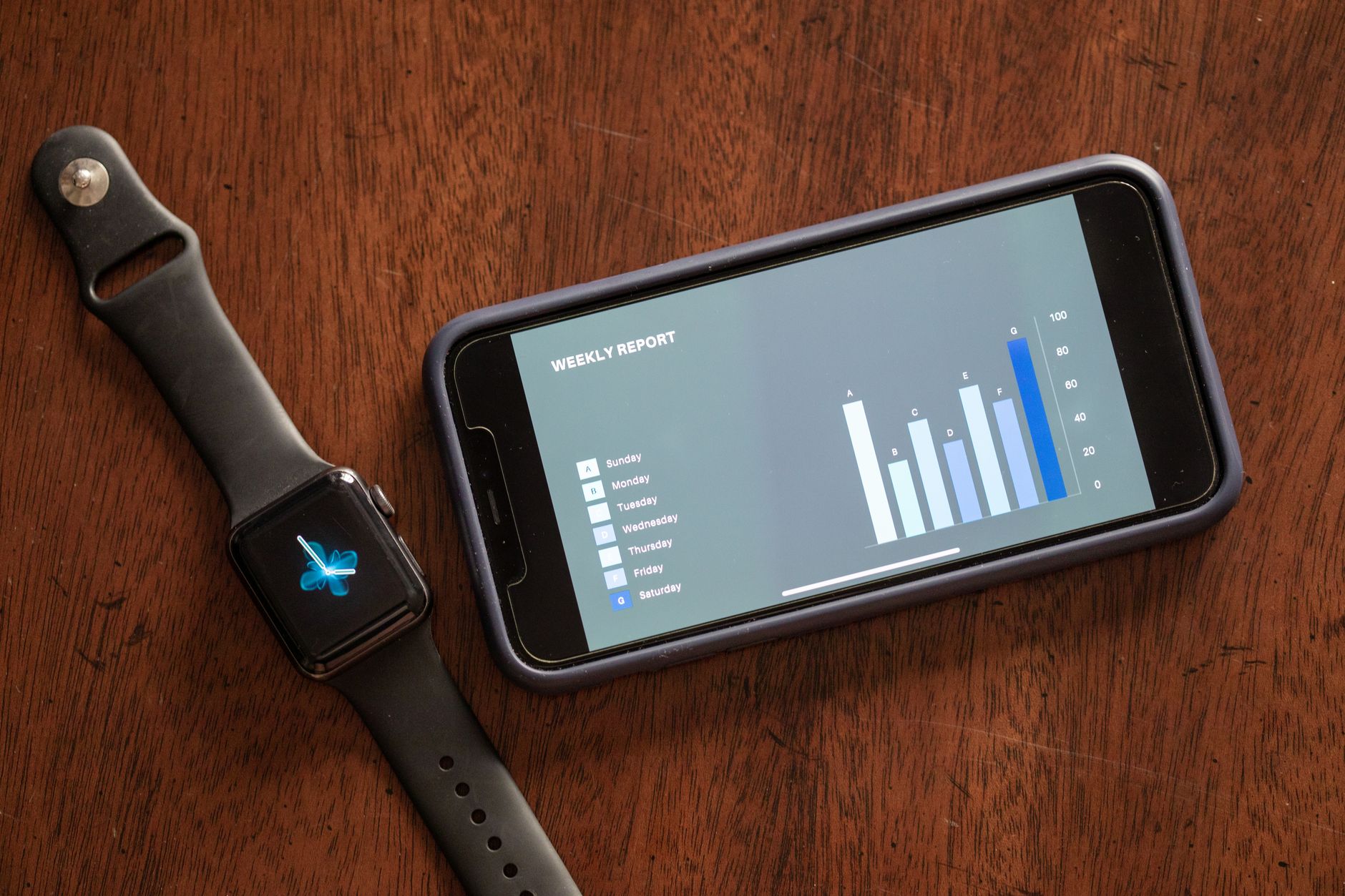
Let me break down the three main categories of digital health devices you will encounter in clinical trials, because understanding these is essential before you can target the right job roles.
 Photo by www.kaboompics.com on Pexels
Electronic Clinical Outcome Assessment (eCOA)
eCOA refers to the electronic capture of patient-reported outcomes, clinician-reported outcomes, and observer-reported outcomes. In traditional trials, patients would fill out paper diaries recording their pain levels, mood, sleep quality, or other symptoms. The site coordinator would collect these paper forms, and someone would manually enter the data into the clinical database.
eCOA replaces this entire workflow with tablets or smartphone apps. When a patient in a rheumatoid arthritis trial wakes up, they might receive a notification on their provisioned tablet asking them to rate their morning stiffness on a scale of 1 to 10. The data goes directly into the eCOA platform, timestamped and validated, with no manual data entry required.
The leading eCOA platforms you will encounter in India include Medidata Patient Cloud, Oracle InForm eCOA, Signant Health, ERT, and YPrime. Each platform has its own configuration approach, but the underlying concepts are similar. You set up the questionnaires, define the visit schedule, configure alerts and reminders, and establish data validation rules.
For Indian freshers, eCOA represents one of the most accessible entry points into digital health clinical trials. The work requires a combination of clinical knowledge, specifically understanding what patient-reported outcomes mean and why they matter, and technical aptitude for configuring software platforms.
A typical eCOA workflow starts with protocol review. You read the clinical protocol to understand what outcomes need to be captured, at what time points, and using which validated instruments. Then you build the questionnaires in the eCOA platform, matching the exact wording and response options from the validated instrument. Next, you configure the visit schedule, defining when patients should complete each assessment. You set up compliance alerts so site coordinators get notified if a patient misses a scheduled assessment. Finally, you create user acceptance testing scripts and work with the sponsor to validate that the eCOA system captures data exactly as intended.
Once the trial starts, your role shifts to operational support. Sites will call with questions about device provisioning, patients will report technical issues, and you will monitor compliance dashboards to identify patients who are falling behind on their assessments. You will generate reports for the sponsor showing completion rates, identify sites that need additional training, and troubleshoot data discrepancies.
Wearable Devices in Clinical Trials
Wearable devices capture continuous, objective data that was previously impossible to collect outside of a clinic. Consider a trial for a new heart failure medication. In the past, researchers could only measure a patient's heart function during scheduled clinic visits. With a continuous ECG patch, they can now monitor heart rhythm 24 hours a day for weeks at a time, capturing arrhythmias that might only occur during sleep or physical exertion.
Common wearable devices in clinical trials include continuous glucose monitors for diabetes trials, ECG patches for cardiovascular studies, actigraphy devices that measure movement and sleep patterns, pulse oximeters for respiratory trials, and smart inhalers that track medication adherence.
The operational challenges with wearables are substantial. Devices need to be shipped to sites, inventoried, configured for each patient, and collected at the end of the study. Patients need training on how to wear the device, charge it, and troubleshoot common issues. Data needs to flow from the device to the cloud platform to the clinical database, with quality checks at each step.
This is where Indian clinical operations teams come in. When a site in Germany has a patient whose glucose monitor is not syncing properly, the first-line troubleshooting often happens through an operations center in Bangalore or Hyderabad. When a new site is being trained on device procedures, the training materials and support calls are often coordinated from India.
Let me give you a concrete example. In a recent Type 2 diabetes trial using Dexcom G7 continuous glucose monitors, the Indian operations team at a major CRO handled device provisioning for 150 sites across 25 countries. They created device kitting specifications, coordinated with the logistics vendor to ensure devices arrived at sites on time, developed training videos in multiple languages, staffed a 24/7 helpdesk for technical support, and generated weekly compliance reports showing which patients were wearing their devices consistently.
The work requires meticulous attention to detail. A single device shipped to the wrong site can delay patient enrollment by weeks. A patient who does not understand how to pair their device with the app will generate missing data that could compromise the endpoint analysis. Your job is to prevent these problems through thorough planning, clear communication, and proactive monitoring.
Digital Biomarkers
Digital biomarkers are the most technically sophisticated category. A traditional biomarker might be a blood test result or an imaging finding. A digital biomarker is an objective, quantifiable physiological measurement captured through a digital device and analyzed through algorithms.