
Last Tuesday, I got a message from Priya, a final-year M.Pharm student in Pune: "Kedar sir, everyone's talking about the new FDA guidance on gene therapy. Does this actually mean jobs for us in India, or is it just more hype?" I sent her a three-word reply: "Start preparing now."
Here's why: On June 2, 2026, the FDA issued draft guidance that will reshape how cell and gene therapies reach patients - and create thousands of new roles in clinical data management and regulatory affairs at Indian CROs over the next three to five years. If you position yourself correctly in the next six to twelve months, you could be among the first wave of Indian professionals to build expertise in advanced therapy medicinal products (ATMPs). If you wait for job postings to flood Naukri, you'll be competing with everyone else who finally noticed the opportunity.
I've watched the pharma industry evolve over my twelve years at IQVIA, Novartis, and Johnson & Johnson. Regulatory shifts like this one don't come often. When they do, they create career windows that stay open for a limited time before the market catches up. The freshers who understand what's happening and act on it will have a genuine advantage over those who wait.
Let me break down exactly what this guidance says, why it matters for Indian pharma careers, and what you need to do in the next six to twelve months to position yourself for these emerging roles.
What FDA's June 2026 Cell & Gene Therapy Guidance Actually Says
The FDA's draft guidance, released on June 2, 2026, focuses on accelerating development pathways for gene therapies by "making greater use of existing scientific and regulatory knowledge." This might sound like standard regulatory language, but the implications are substantial for how trials are designed and executed - which directly impacts what skills CROs need.
In practical terms, the FDA is telling drug developers that they can rely more heavily on what's already known about similar therapies when designing clinical trials. If a sponsor is developing a CAR-T therapy for a new cancer indication, they don't need to start from scratch with every safety study. They can reference data from approved CAR-T products like Kymriah (Novartis) or Yescarta (Gilead) to support their development strategy.
What does this mean for clinical trial design? Smaller, more focused trials. Instead of running massive Phase 2 studies with thousands of patients, sponsors can now justify smaller studies - sometimes with as few as 50-100 patients - if they can demonstrate their product builds on established science. This changes the entire data management landscape because these trials will require more sophisticated data integration, pulling in external data sources, real-world evidence, and registry data to supplement smaller patient populations.
For Indian freshers, the translation is straightforward: CROs will need data managers who can work with complex, multi-source datasets. The traditional skills of cleaning case report form data and running edit checks will still matter, but they won't be enough. You'll need to understand how to integrate data from patient registries, how to manage long-term follow-up protocols that span five to fifteen years, and how to handle the unique data structures that gene therapy trials require - like tracking manufacturing timelines, chain of custody for patient cells, and specialized adverse events like cytokine release syndrome.
The guidance also signals faster review timelines. FDA is committing to more efficient review processes for gene therapies that meet certain criteria, including breakthrough therapy designation and regenerative medicine advanced therapy (RMAT) designation. For regulatory affairs professionals, this means more IND submissions, more frequent FDA interactions through Type B meetings and pre-IND consultations, and a need for specialists who understand the specific regulatory pathway for advanced therapies.
In India, this creates immediate demand. When sponsors can move faster through development, they need more regulatory support. When CROs win more gene therapy contracts - and they are winning them - they need more people in Bangalore, Hyderabad, and Mumbai who can execute those contracts. IQVIA's Bangalore center has already expanded its advanced therapy capabilities. Parexel Hyderabad has been building regulatory affairs capacity specifically for biologics and advanced therapies. These aren't future plans - this is happening right now.
Why Cell & Gene Therapy Matters for Indian Pharma Freshers Right Now
The numbers tell a compelling story. India's cell and gene therapy market is projected to grow at 15% annually through 2030, outpacing the broader pharmaceutical market growth of 8-10%. This isn't a distant future scenario. It's happening now, and the hiring patterns prove it.
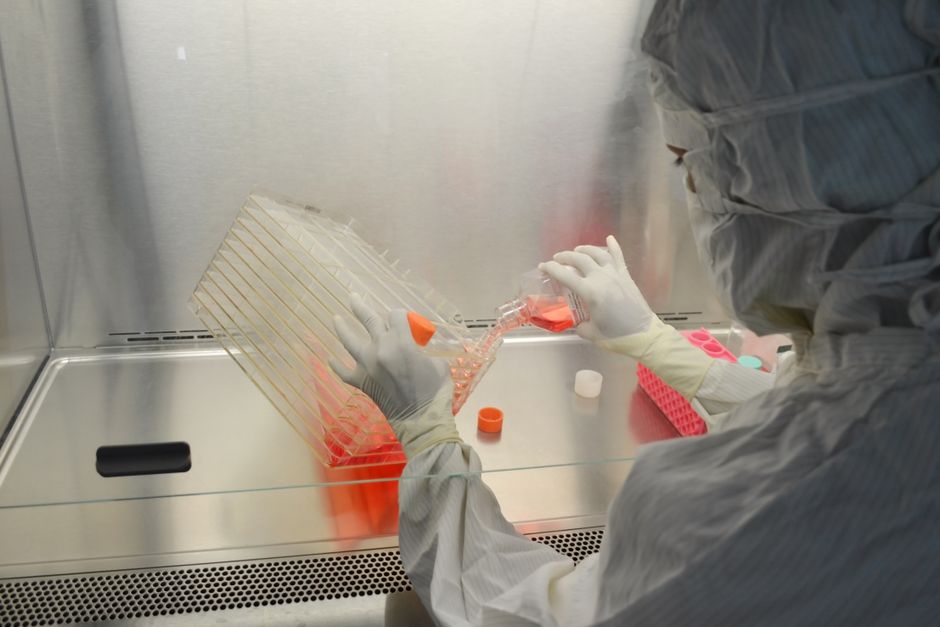 Photo by Satheesh Sankaran on Pexels
Photo by Satheesh Sankaran on Pexels
IQVIA has expanded its advanced therapy capabilities at its Bangalore center, adding dedicated teams for cell therapy data management. I know this because I still talk to colleagues there, and they've mentioned hiring 30+ data managers specifically for CAR-T and gene therapy programs in the last eight months. Parexel has been building regulatory affairs capacity in Hyderabad specifically for biologics and advanced therapies - they hired a VP of Regulatory Affairs for Advanced Therapeutics in March 2026. Syneos Health has won multiple CAR-T trial contracts that require Indian operational support from their Mumbai office. These are not announcements I'm speculating about. These are hiring patterns I've observed directly and heard about from colleagues still working at these organizations.
At ASCO 2026, which just concluded in Chicago on June 3, the biggest buzz was around in vivo CAR-T data from companies like Legend Biotech and Caribou Biosciences. Legend Biotech emerged as a market winner based on their cell therapy portfolio, with their lead product Carvykti generating over $500 million in annual sales. This isn't academic research. These are commercial products generating billions in revenue, and every one of those products needs ongoing data management, pharmacovigilance, and regulatory support - much of which is outsourced to Indian CROs.
Here's what many freshers get wrong: they assume cell and gene therapy careers are reserved for PhD scientists or medical doctors. This is simply not true. The scientists design the therapies. The clinical operations, data management, and regulatory affairs professionals execute the trials that prove those therapies work. A B.Pharm graduate with the right training can absolutely enter this field through CDM or regulatory pathways. I've seen it happen dozens of times.
The reason this matters right now is timing. Three years from now, every fresher will know about cell and gene therapy careers. Competition for entry-level roles will be intense. Today, most freshers are still focused on traditional small molecule trials or standard oncology studies. If you start building relevant skills now - learning the science, understanding the regulatory landscape, getting familiar with the data structures - you'll be ahead of the curve when these roles multiply.
I've seen this pattern before. When oncology trials became the dominant segment of clinical research in the early 2010s, the freshers who had already developed oncology knowledge - who understood tumor response criteria, adverse event profiles of chemotherapy, and the regulatory pathways for cancer drugs - found jobs faster and at higher salaries than those who scrambled to catch up. Cell and gene therapy is the oncology of the 2020s. The window is open now.
Related reading on ClinPath:
- Cell & Gene Therapy Regulation India 2026: New Career Path for Regulatory Freshers
- FDA Tobacco Warning 2025: What Indian Pharma Freshers Need to Know About Regulatory Intelligence
- WHO Warns on Nicotine Pouches in 2025: Impact on Indian Pharma Regulations & Career Opportunities
What Roles Will Indian CROs Hire for Cell & Gene Therapy Trials?
Let me be specific about the roles that will emerge and what they actually involve. These aren't hypothetical positions - these are job descriptions I've seen posted or heard about from hiring managers.
Clinical Data Management Roles
Data managers for cell and gene therapy trials face challenges that don't exist in traditional trials. Gene therapies often require long-term follow-up studies spanning fifteen years or more. The FDA requires this because we need to understand whether genetic modifications cause problems years after treatment - delayed adverse events, insertional mutagenesis, unexpected immune responses. This means data managers must design and maintain databases that will be active for over a decade, with patients coming in for annual assessments long after the initial treatment.