
Novo Nordisk just launched the world's first once-weekly basal insulin in India, and if you are a pharma fresher wondering why that matters for your career, here is the short answer: the metabolic disease space is exploding with clinical trial jobs, and you need to position yourself now before everyone else figures it out.
The announcement of Awiqli (insulin icodec) in India is not just a medical milestone. It signals that Novo Nordisk, the company behind Ozempic and Wegovy, is deepening its commitment to the Indian market. Where insulin goes, obesity drugs follow. And where obesity drugs go, clinical research jobs multiply. India has 135 million adults living with obesity, and pharma companies are racing to run trials here. That translates into thousands of openings for clinical research coordinators, data managers, pharmacovigilance associates, and regulatory affairs professionals over the next 18 months.
I remember when I first started my pharma career at IQVIA over a decade ago. Diabetes and metabolic disorders were already significant, but they were not the headline-grabbing, investor-darling category they have become today. The GLP-1 revolution, the obesity drug boom, the shift toward once-weekly and once-monthly formulations: all of this has transformed what was once a steady but unglamorous therapeutic area into one of the hottest spaces in drug development. And India, with its massive patient population and growing clinical trial infrastructure, is right at the center of this transformation.
Let me walk you through exactly what is happening, why it matters for your career, and how you can position yourself to land roles in this space.
Obesity Drug Boom in India: Awiqli Launch & What It Means
On July 9, 2026, Novo Nordisk India officially launched Awiqli, also known as insulin icodec. This is the world's first once-weekly basal insulin, approved for adults with Type 1 or Type 2 diabetes mellitus. If you are thinking, "Okay, but this is an insulin product, not an obesity drug," you are technically correct. But here is why this matters for the obesity space: Novo Nordisk is the same company behind Ozempic, Wegovy, and the broader GLP-1 agonist category that has dominated obesity treatment discussions globally. The Awiqli launch in India signals that Novo Nordisk is deepening its commitment to the Indian market, and where insulin goes, obesity drugs follow.
The same week, Ajanta Pharma outlined five trends shaping the future of obesity care in India. These trends are worth understanding because they directly translate into career opportunities:
First, rising awareness among both healthcare professionals and patients. This means more prescriptions, more patients entering clinical trials, and more demand for patient recruitment specialists and clinical research coordinators who understand the Indian patient population.
Second, GLP-1 adoption is accelerating. The GLP-1 receptor agonist class, which includes drugs like semaglutide and tirzepatide, has become the gold standard for weight management. Indian pharma companies are racing to develop biosimilars and new formulations, which means more clinical trials happening on Indian soil.
Third, there is a broader focus on metabolic health, not just isolated conditions. Companies are now looking at diabetes, obesity, cardiovascular risk, and fatty liver disease as interconnected problems. This creates demand for clinical research professionals who can work across therapeutic areas.
Fourth, digital health integration is becoming standard. Remote patient monitoring, digital biomarkers, and decentralized trial elements are being incorporated into metabolic disease studies. If you have been following the AI transformation in clinical trials, you will recognize that these skills are becoming essential.
Fifth, patient-centric care models are reshaping how trials are designed. This means more emphasis on patient-reported outcomes, quality of life measures, and real-world evidence generation.
Now let me give you the market reality that makes all of this career-relevant. India has approximately 135 million adults living with obesity. That number is growing every year. The combination of urbanization, changing dietary patterns, and genetic predisposition means that India is becoming one of the largest markets for obesity treatments globally. For pharma companies, this translates into massive demand for clinical trials and regulatory submissions. For you as a job seeker, it means a growing pool of opportunities.
The career implication is clear: companies need people who understand metabolic disease trials, who can manage patient populations in Indian healthcare settings, and who can navigate the regulatory pathway for these products. Whether you want to work in clinical operations, data management, pharmacovigilance, or regulatory affairs, the obesity and metabolic disease space is hiring.
Why Metabolic Disease Trials Are Different from Other Therapeutic Areas
If you have been applying broadly to any clinical research role you can find, I want to explain why specializing in metabolic disease might be a smart strategic move. Not all therapeutic areas are created equal when it comes to career growth and job availability.
 Photo by Anna Tarazevich on Pexels
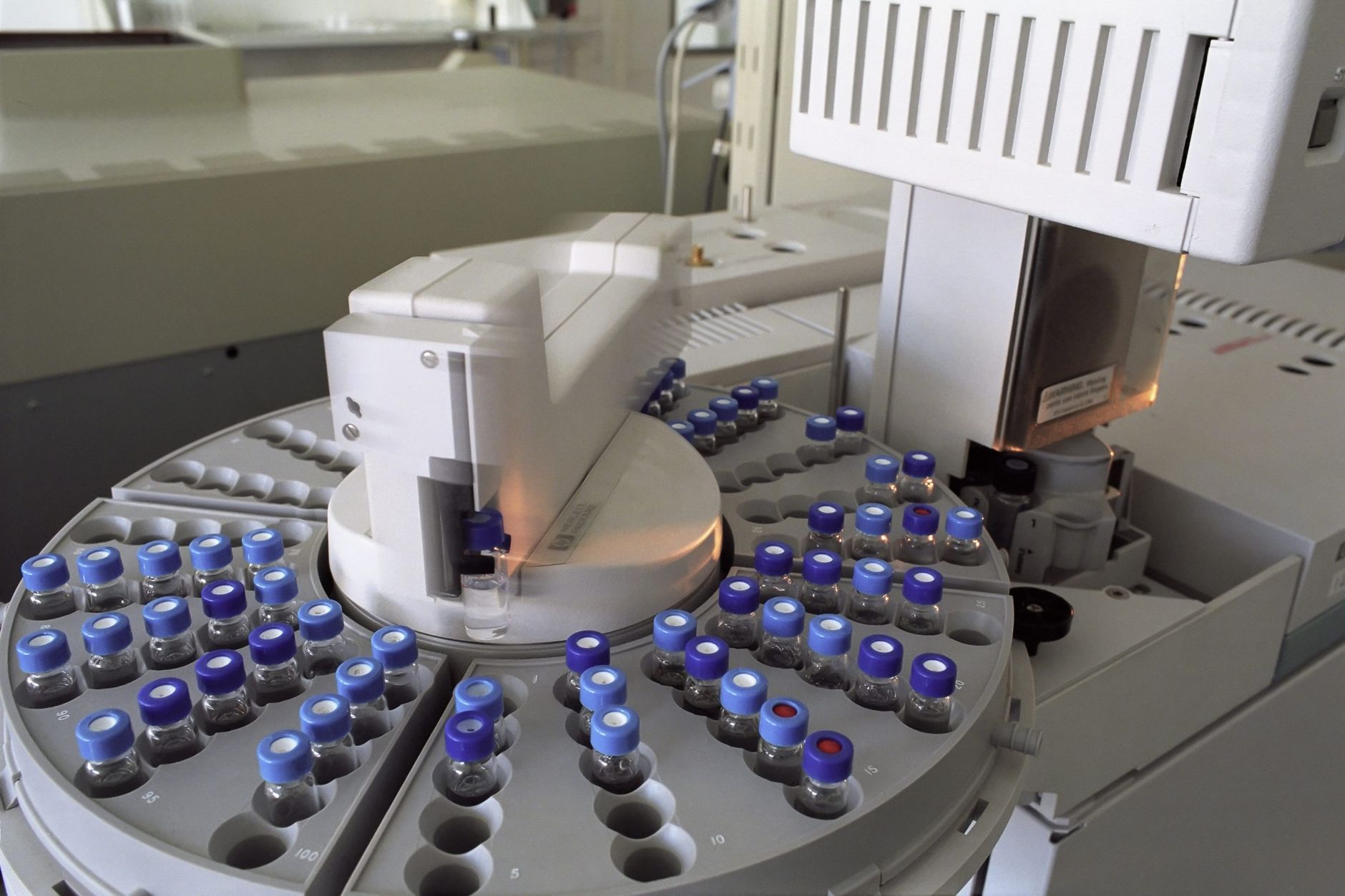
Metabolic disease trials have several characteristics that make them particularly accessible for freshers. The patient populations are large and relatively easy to recruit. Unlike rare disease trials where you might struggle to find 50 patients globally, a diabetes or obesity trial in India can recruit thousands of patients from a single city. This means more sites, more clinical research associates, more data managers, and more opportunities at every level.
The trial designs tend to be more standardized. While oncology trials might involve complex adaptive designs and biomarker-driven patient selection, metabolic disease trials often follow well-established protocols. This makes them excellent learning grounds for freshers who are still building their understanding of clinical research methodology.